
Good morning, Spaceman. This is your Captain speaking.
For years, I’ve had to confess: I’ve largely stayed silent about Falling Frontier. While I’ve kept a close eye on the dev logs and heard your calls in the comments, my focus has been on the X4 sandbox and other major space games. But as we navigate deeper into 2026, the latest updates from Stutter Fox Studios are simply too significant to ignore.
This game, which has been simmering in development for what feels like an eternity, has matured into something genuinely fascinating. It’s not just another RTS; it’s a deep, “Hard Sci-Fi” simulation that asks fundamental questions about logistics, warfare, and leadership in space. Today, we’re going beyond the trailers to analyze why Falling Frontier demands our attention, and what lessons it might hold for the wider space sim genre.
1. The “Expanse” Factor: Physicalized Projectile Warfare
X4: Foundations, as much as I adore it, has always leaned into a more “Space Fantasy” combat model with its energy weapons and regenerating shields. While Egosoft has made commendable strides recently in refining missile systems and projectile physics, there’s still a palpable craving in the community for something with more kinetic grit.
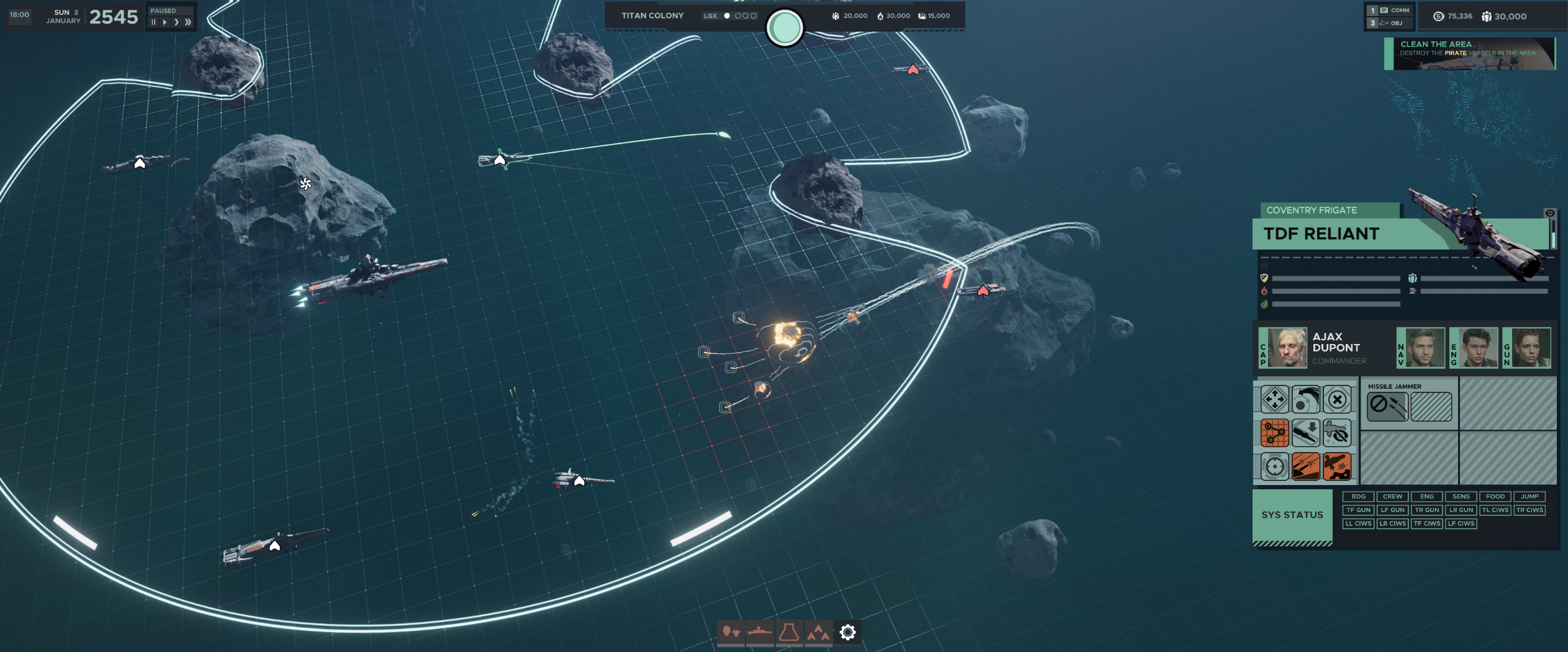
Falling Frontier delivers this in spades. Here, combat is brutal and physical. We’re talking about railguns that unleash high-velocity slugs across vast distances, point-defense cannons that spew thousands of rounds per minute, and the terrifying reality that every projectile is a physical object. If your shot misses its target, it doesn’t just vanish; it continues its trajectory, potentially hitting an innocent civilian vessel, a distant station, or even one of your own ships.
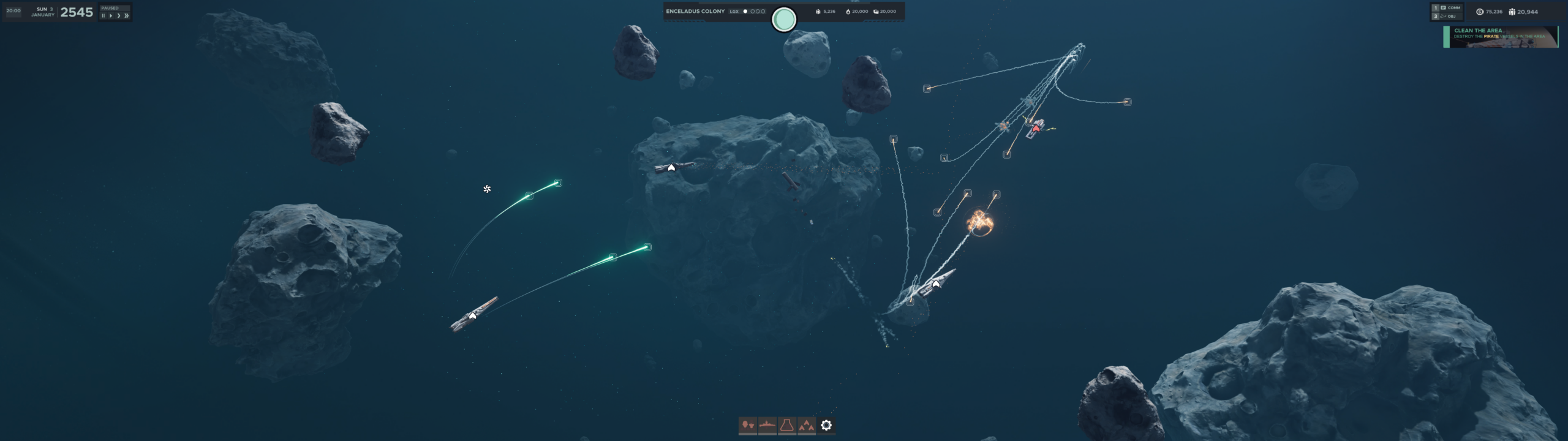
This adherence to realistic physics creates a tense, tactical environment where every engagement is a high-stakes calculation. It forces you to consider not just line-of-sight, but also trajectory, momentum, and collateral damage. It’s the kind of “heavy metal” warfare that would make any fan of The Expanse nod in approval. While X4 excels at grand-scale economic warfare, Falling Frontier is pushing the envelope on the tactical, grounded realism of space combat, offering a valuable blueprint for how other titles could deepen their own engagements.
2. Logistics as a Weapon: The Art of the Blockade
In X4, I’ve often discussed the theoretical possibility of crippling a faction through economic warfare, blockading their shipyards or starving them of vital resources. The truth is, in X4, with its vast, interconnected economy and often “hidden” production cycles, truly starving out an enemy requires a gargantuan effort that often feels beyond a single player’s capacity. The game’s design, to its credit, often prioritizes the flow and persistence of its dynamic economy.
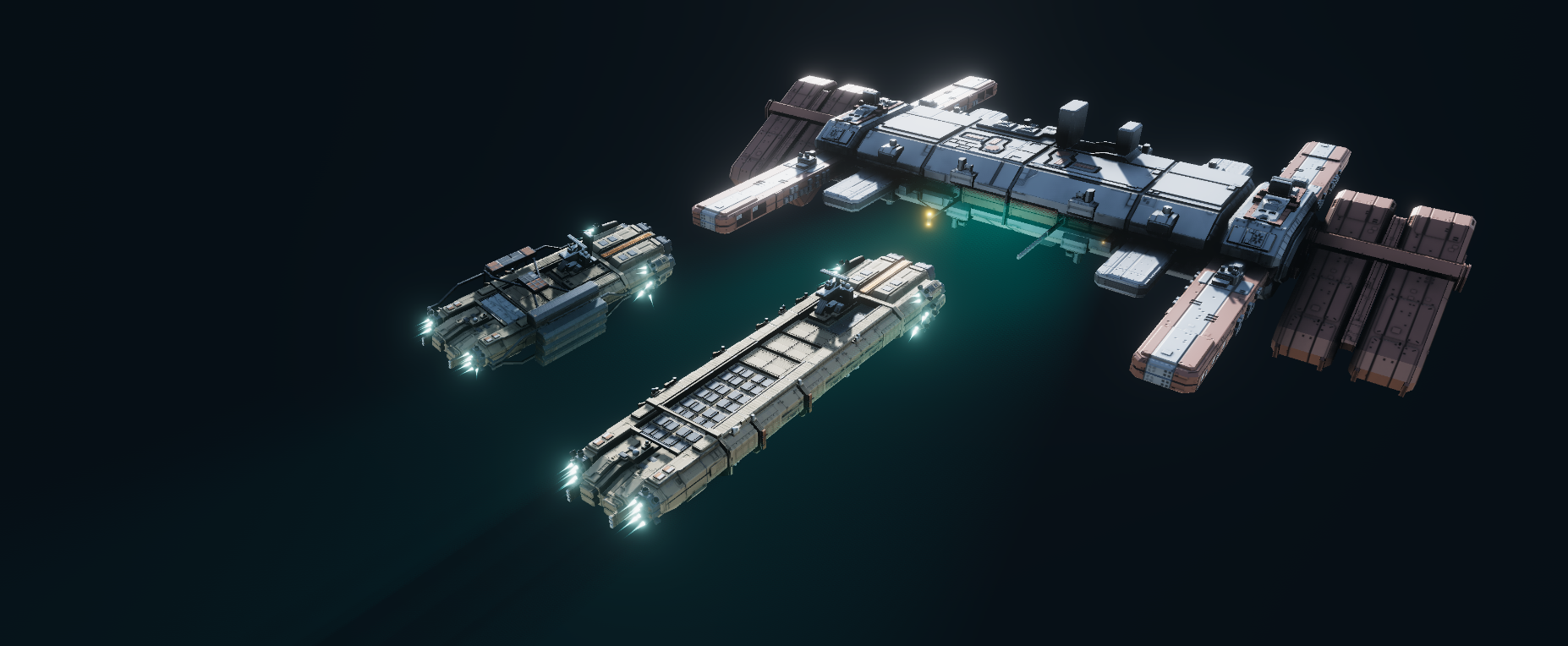
Falling Frontier fundamentally flips this script. Here, logistics isn’t just a mechanic; it’s the primary weapon of war. Every piece of refined ore, every unit of fuel, every component needed to build a ship or resupply a fleet, must be physically transported along supply lines. If an enemy frigate parks itself on your convoy route, that supply line is severed. Your forward shipyard will run out of ammunition, your distant mining outpost will grind to a halt, and your fleet will be unable to repair or resupply.
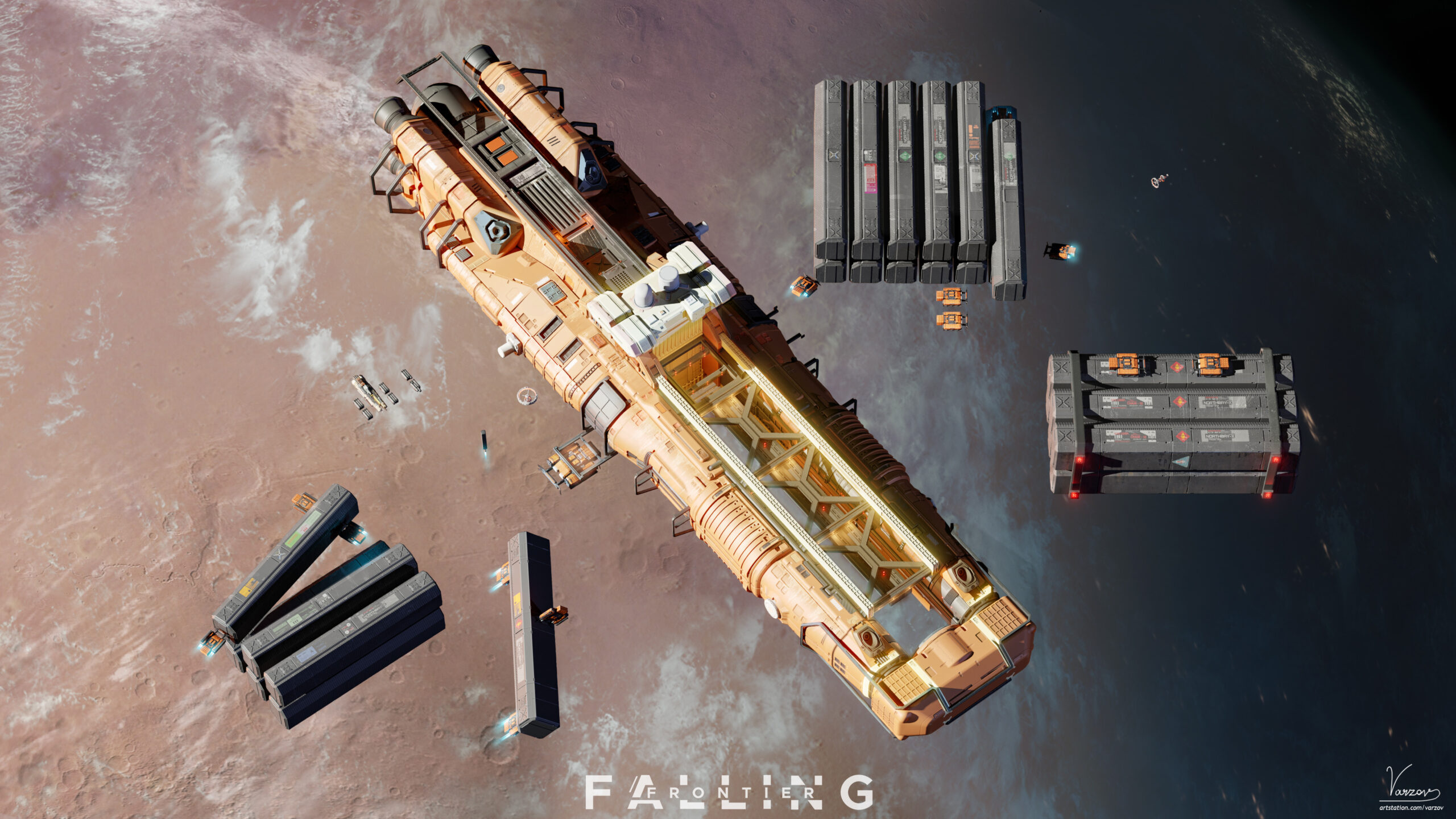
This makes blockades a central strategic element, not a theoretical pipe dream. It fosters a gameplay loop of raiding, interdiction, and resource denial that is rarely seen in space strategy games. Imagine if, in X4, you could genuinely cripple a Xenon push not by destroying their fleets one by one, but by cutting off their specific energy cell convoys or targeting the precise stations producing their crucial hull parts. That depth of strategic warfare, where understanding your enemy’s supply chain is as vital as the firepower of your fleet, is what Falling Frontier is bringing to the table, and it’s a concept that other space simulations, including X4, could certainly learn from.
3. Sensor Warfare: The Unseen Battle for Information
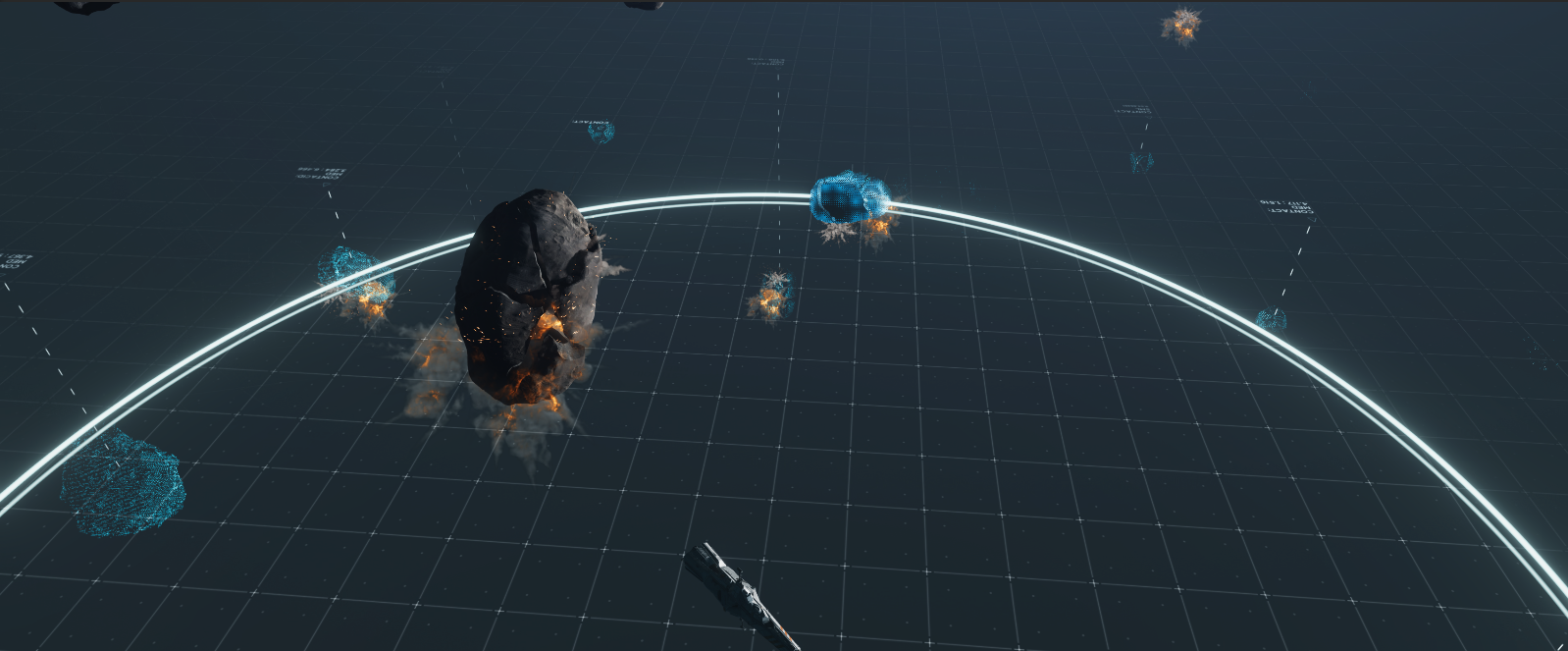
In X4, while we have jump-gates and long-range scanners, information gathering is relatively straightforward. You detect an enemy, you move to engage. Falling Frontier introduces a far more nuanced and realistic approach to sensor warfare that would thrill any covert operations enthusiast.
The game operates on a principle of limited information. You cannot simply see everything in a sector. You must actively deploy passive recon stations to listen in on enemy communications, or use active probes that ping targets at the cost of revealing your own position. Hiding your ships behind celestial bodies like moons to mask their heat signatures, or drifting silently into the atmosphere of a gas giant to disappear from active scans, are not just cinematic flourishes; they are vital tactical maneuvers.
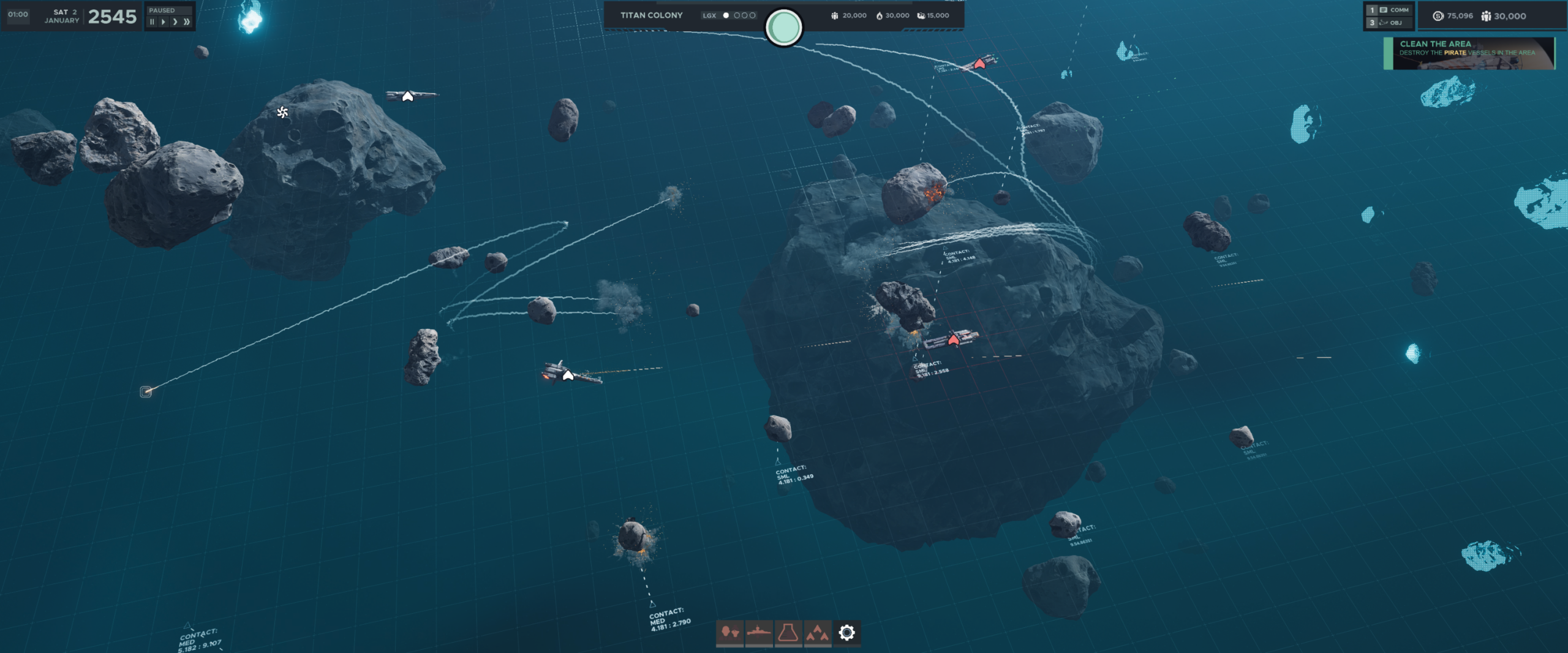
Combat, therefore, isn’t simply about who has the bigger guns; it’s about who sees who first. A smaller, stealthy frigate can ambush and cripple a much larger cruiser if it uses the environment to its advantage, masking its approach in a dense asteroid field. This emphasis on intelligence, deception, and the fog of war adds a layer of depth that demands strategic thinking beyond brute force, making every encounter a high-stakes game of cat and mouse.
4. The Human Element: When Crews Matter
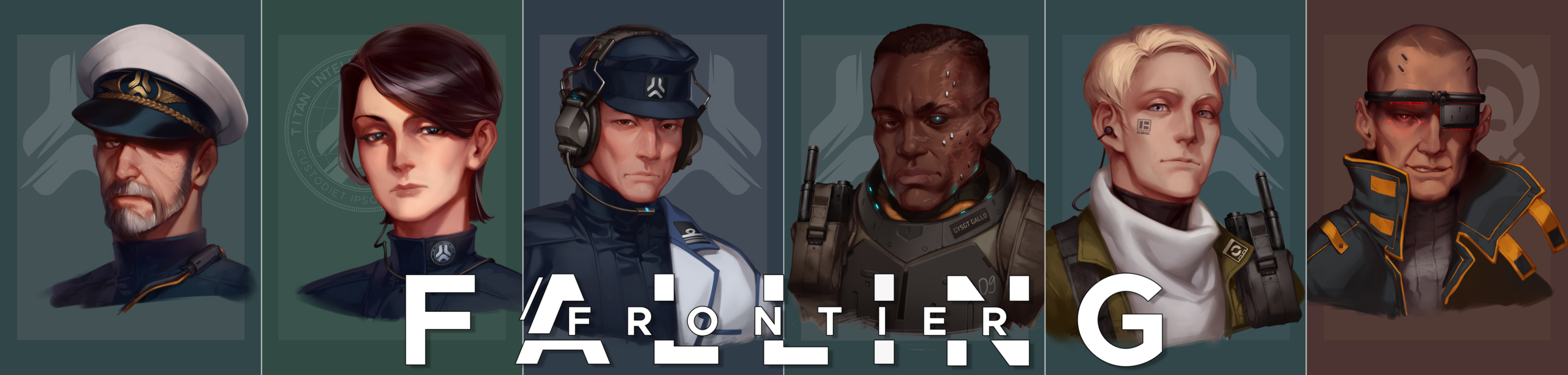
For many X4 players, our crews, while vital for operations, often remain anonymous. We hire them, they gain skill stars, but their individual identities rarely resonate beyond their numerical stats. We often refer to our vessels as extensions of our will, staffed by nameless individuals. As I’ve confessed, I don’t even know the name of my favorite ship’s captain. We “buy” personnel, and their value is tied to their efficiency, not their story.
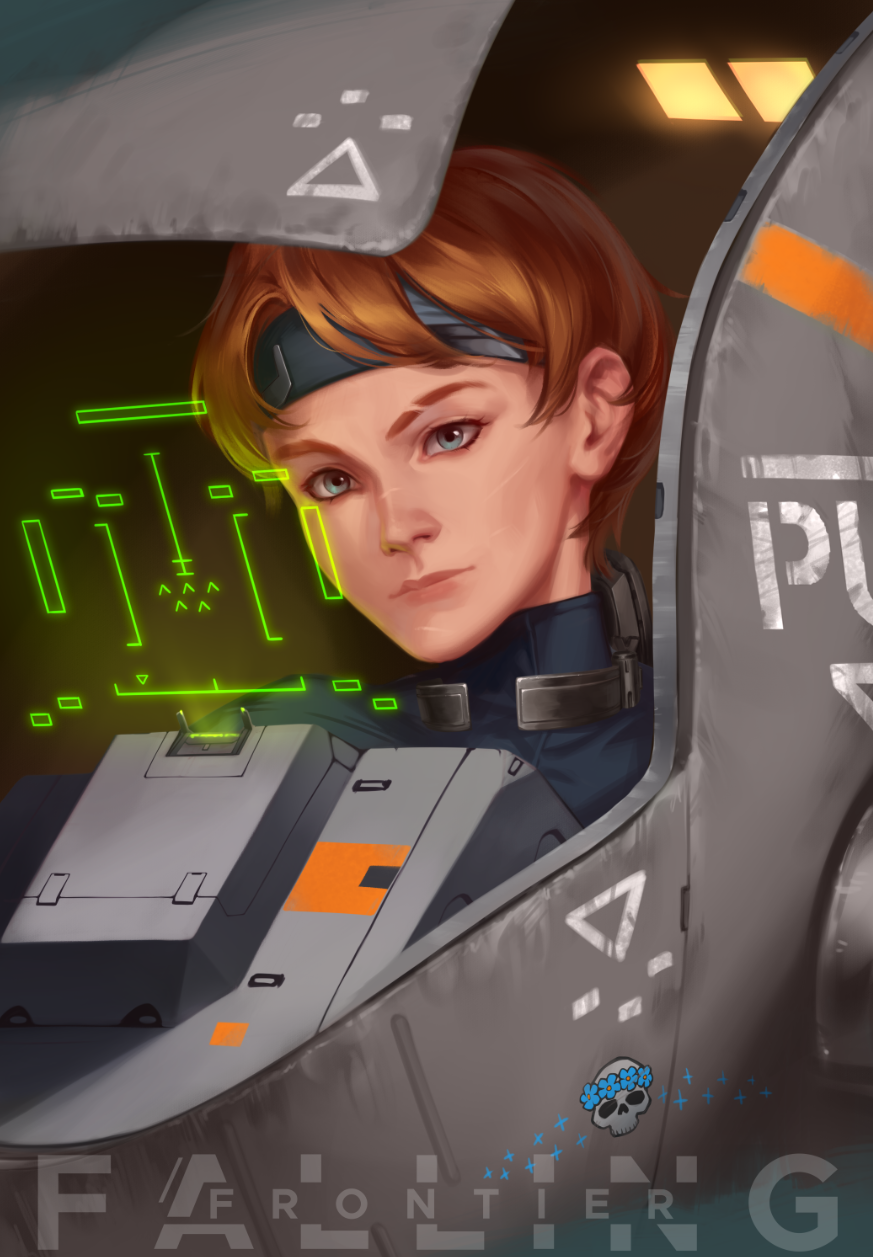
Falling Frontier challenges this abstraction by introducing named crews with distinct ranks, portraits, and even personality traits. When a ship is lost, and you fail to send a search and rescue mission, those specific individuals are gone forever. Even more harrowing, enemy forces can capture your officers and interrogate them, potentially revealing critical intelligence about your supply lines or fleet movements.
This creates a powerful emotional investment in your fleet that is often missing from larger-scale simulations. Losing a ship isn’t just a monetary setback; it’s the loss of a veteran crew that has seen battles and developed alongside your campaign. It forces you to consider the human cost of every strategic decision, adding a layer of ethical weight and personal attachment that can significantly deepen the gameplay experience. It makes you wonder what X4 could be like if every pilot had a story, making losses truly impactful.
My Verdict: Not a Killer, But a Companion & Teacher
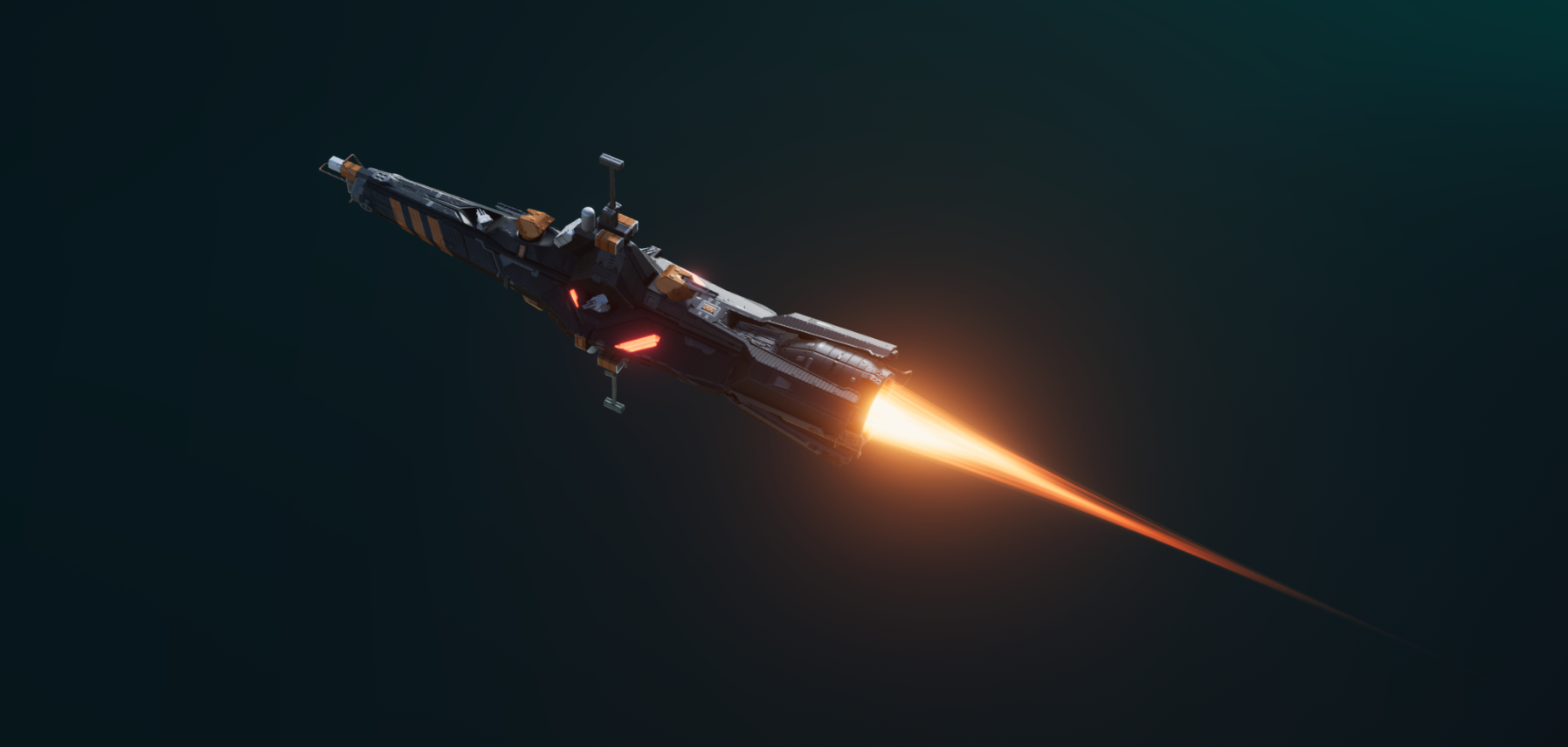
So, is Falling Frontier an “X4 Killer”? No, not in the traditional sense. These are distinct experiences. X4 offers the first-person immersion of piloting and the grand ambition of empire-building from the ground up. Falling Frontier offers the meticulous tactical command of a fleet admiral in a gritty, physics-driven universe.
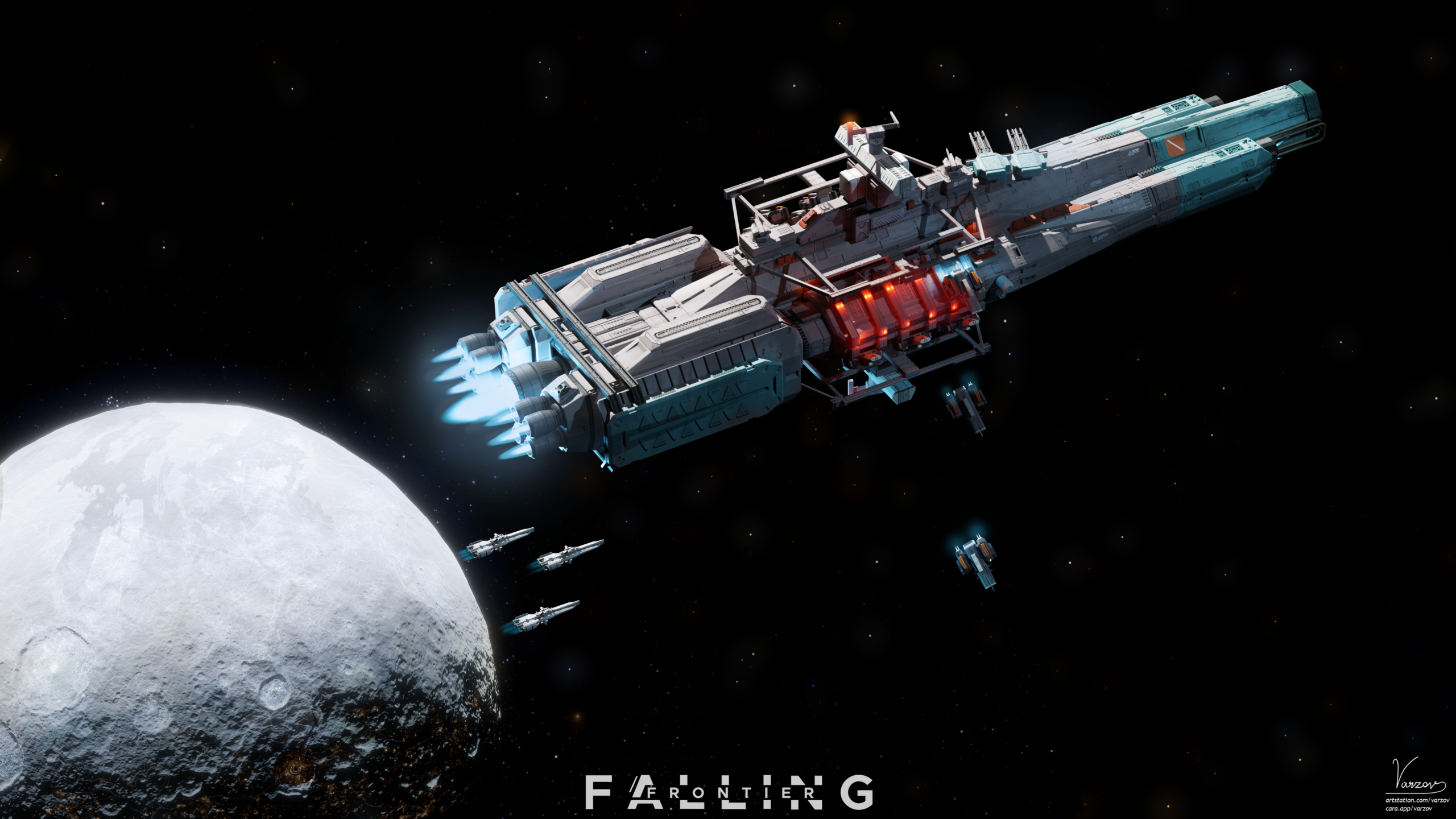
However, Falling Frontier is more than just another space RTS. It’s a meticulously crafted simulation that pushes the boundaries of logistics, sensor warfare, and crew management in ways that should make every other space game developer, including Egosoft, take note. It’s the “Hard Sci-Fi” wake-up call the genre desperately needed.
As I’ve been exploring this 1.0 release, it’s clear that this game rewards deep thought, patience, and a willingness to learn its complex systems. It’s a game for strategists, for thinkers, and for anyone who loves the idea of commanding a fleet where every shot matters and every supply convoy is a vital target.
If you’re ready to dive into a strategic challenge that will truly test your wits, I highly recommend checking out Terra Invicta 1.0. You can find it, along with other fantastic Hooded Horse titles, over on my Nexus store: nexus.gg/captaincollins. Remember, these are legitimate Steam keys directly from the publisher, and your purchase directly supports the channel.
What do you think, Spaceman? Are you ready for a different kind of war in the void, or will you stick to your X4 cockpit? Let me know in the comments below!
Until next time, keep your eyes on the stars. This is Captain Collins, signing off.